<?xml version="1.0" encoding="UTF-8"?>
<feed xmlns="http://www.w3.org/2005/Atom">
  <title type="text">Historic North Adams</title>
  <updated>2026-04-21T14:59:34+00:00</updated>
  <generator uri="http://framework.zend.com" version="1.12.20">Zend_Feed_Writer</generator>
  <link rel="alternate" type="text/html" href="https://historicnorthadams.com/"/>
  <link rel="self" type="application/atom+xml" href="https://historicnorthadams.com/items/browse?output=rss2"/>
  <id>https://historicnorthadams.com/</id>
  <author>
    <name>Historic North Adams</name>
    <uri>https://historicnorthadams.com</uri>
  </author>
  <link rel="hub" href="https://pubsubhubbub.appspot.com/"/>
  <entry>
    <title type="html"><![CDATA[Murdock Hall:  MCLA’s Foundational Structure ]]></title>
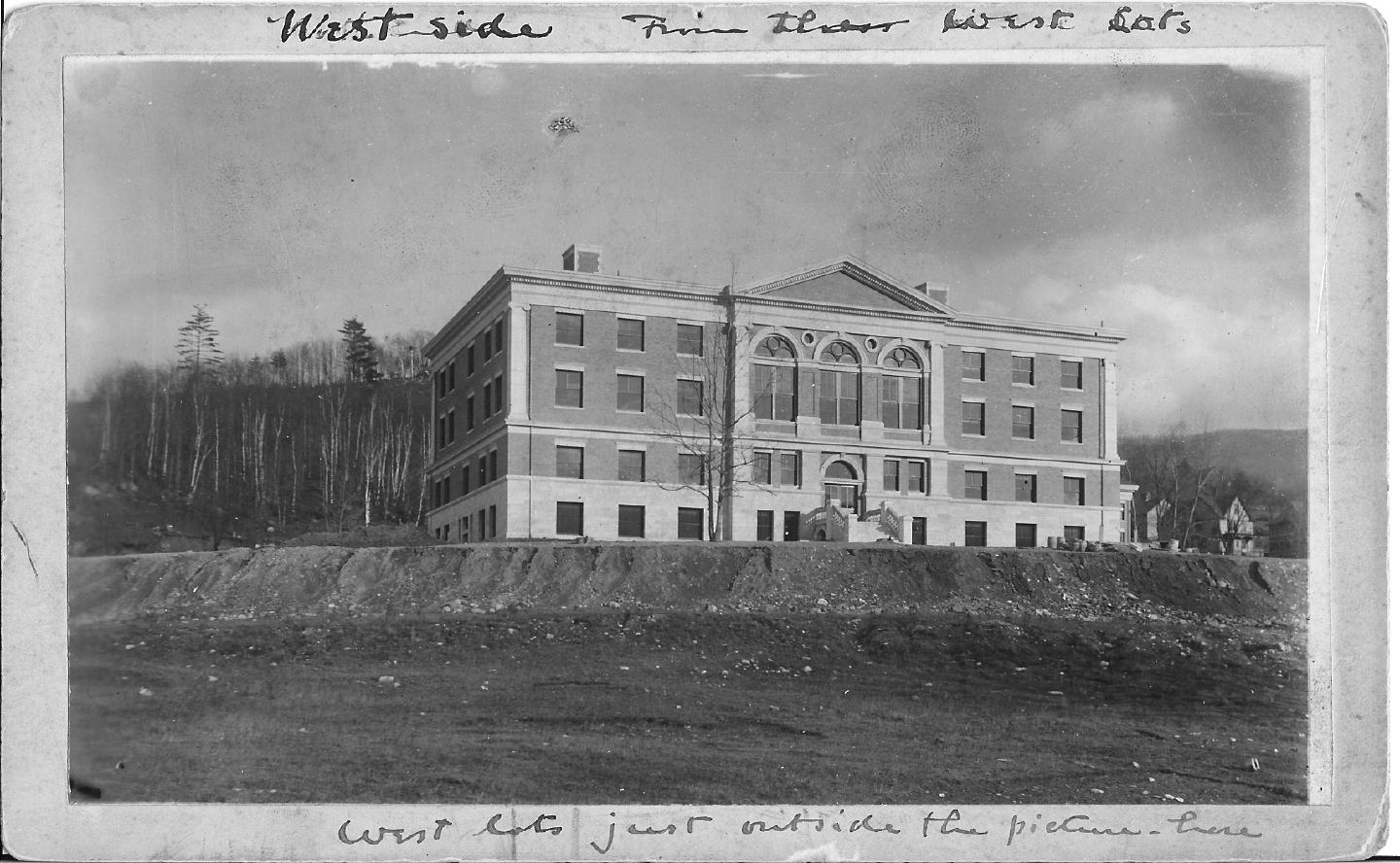
    <summary type="html"><![CDATA[<p><strong><em>The Massachusetts College of Liberal Arts has grown to include a multitude of academic, administrative, and support staff buildings across its humble campus over the years. In the beginning, these functions were served by just one building: College Hall.</em></strong></p><img src="https://historicnorthadams.com/files/fullsize/8454a2a7cf5534a65e65bf048e323f69.jpg" alt="Early view of College Hall’s front exterior, facing Church Street. " /><br/><p>In its earliest form, MCLA was called the North Adams Normal School and instructed students in the ways of teaching. Formal classes were held in College Hall and the neighboring Church Street School was a functioning elementary school where the Normal School students would practice the teaching methods they had learned.</p><p>North Adams was awarded state funding to build a normal school in 1894, after competing bids from other Massachusetts communities, including nearby Pittsfield. College Hall was designed by Pittsfield native Henry Neill Wilson, and the construction contract was given to Porter and Hannum. It was constructed at a cost of roughly $116,000 for the building, plumbing, and heating, beginning in 1895. Albert C. Houghton, then the mayor of North Adams, contributed a $25,000 deposit of his own money to get it started, which was eventually reimbursed by the city.</p><p>On September 3, 1897, a dedication ceremony was held on-site. It was attended by many notable figures, including Mayor Houghton, the presidents of Williams College, Worcester Polytechnical Institute, Bridgewater State, and several state senators. Live music was provided by the Schubert Orchestra. Attendees were invited to tour the building after the ceremony, showcasing the building’s many rooms, from the boiler room, dark room, gymnasium and lunchroom to the mineral-science and biology laboratories, and up through the assembly hall, library, and classrooms. </p><p>Not all aspects of the building’s design were perfect, however. Soon after classes began, President Murdock requested and was granted funds to remediate some glaring flaws. It was discovered that the building’s design accounted for no hot water in the kitchen and lunchroom areas, which then required additional plumbing to be installed. The school also realized that the sinks in the chemistry labs were made of zinc rather than lead or porcelain, which caused them to break down quickly.</p><p>College Hall was renamed Murdock Hall in 1967 for the first president (then principle), Frank Fuller Murdock. There has been much work done to the building over the years, including repairs from a lightning-caused attic fire in 1947, the addition of an observation tower in 1957, and a major modernizing renovation in the early 2000s. Today, the building houses several academic departments, the Information Technology department, the Computer HelpDesk team, a writing computer lab, and many well-used classrooms.</p><p><em><strong><a href="https://historicnorthadams.com/items/show/233">For more (including 6 images) view the original article</a></strong></em></p>]]></summary>
    <published>2026-04-09T05:33:22+00:00</published>
    <updated>2026-04-17T19:40:49+00:00</updated>
    <link rel="alternate" type="text/html" href="https://historicnorthadams.com/items/show/233"/>
    <id>https://historicnorthadams.com/items/show/233</id>
    <author>
      <name>Ryan Frazer</name>
    </author>
  </entry>
  <entry>
    <title type="html"><![CDATA[Flagg Townhouses]]></title>
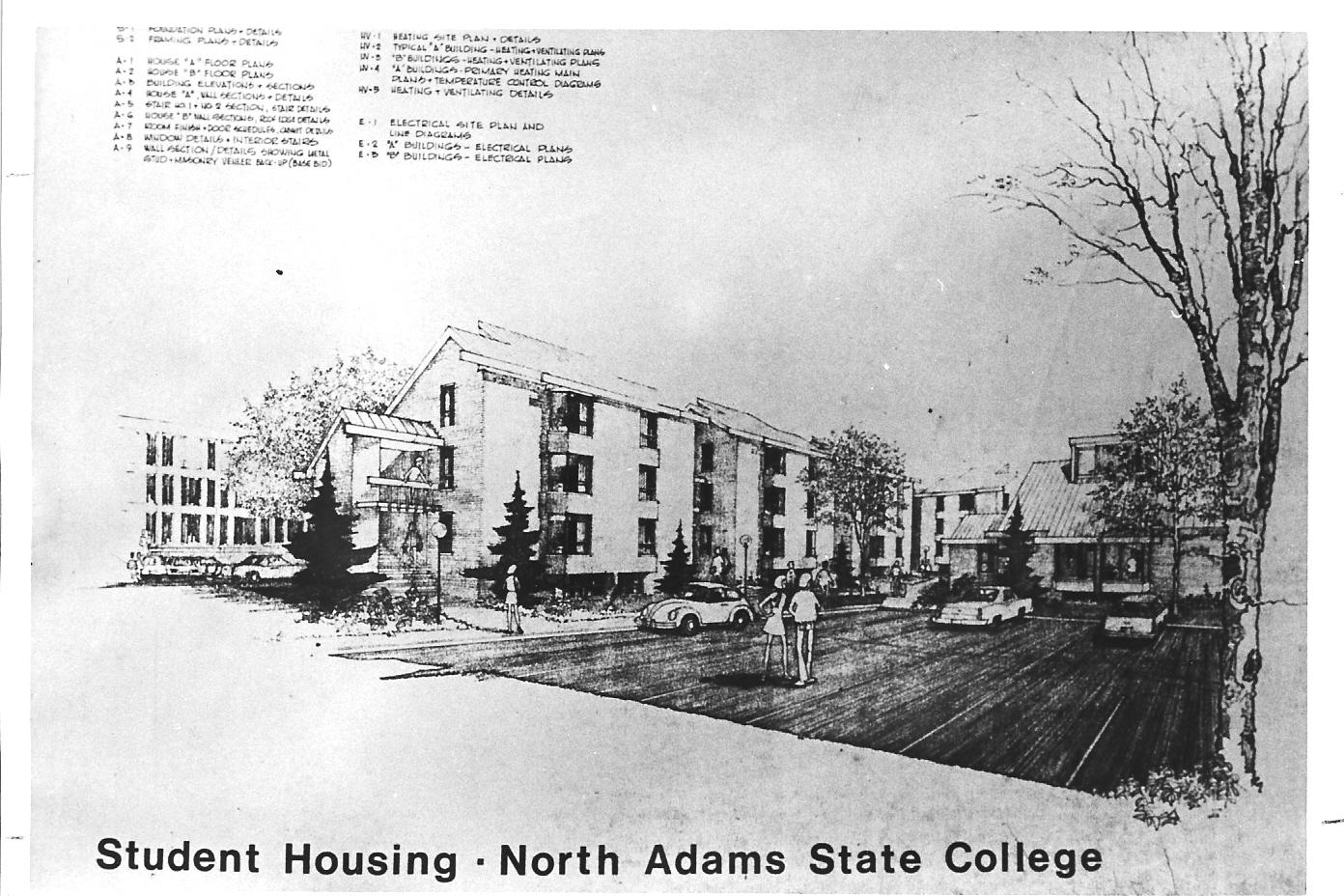
    <summary type="html"><![CDATA[<p><strong><em>In the early 1970s, as North Adams State College looked toward the future, its ambitions began to outgrow its campus. What had once been a small, regionally rooted institution was now attracting students from far beyond Berkshire County. So many, in fact, that fewer than 20 percent of applicants came from the surrounding area. </em></strong></p><img src="https://historicnorthadams.com/files/fullsize/a5f8dbead5c803dc7c45c6212ad7b3f2.jpg" alt="This early schematic drawing of the Flagg Townhouses at MCLA reveals the vision before it became a reality. " /><br/><p>For most students, attending the college meant more than enrolling in classes, it required finding a place to live. Housing, however, had become a patchwork solution. Students were scattered between a makeshift trailer park and a collection of school-owned houses—arrangements that, while functional, reflected a college struggling to keep pace with its own growth. Nearly every applicant requested residency, and the demand was quickly exceeding what the college could provide. Without a significant expansion, the school risked turning away students not for lack of academic space, but for lack of somewhere to sleep.</p><p>On January 3, 1974, Dean of Admissions Anthony F. Ceddia formally addressed this issue in a proposal to the Massachusetts Committee of Education Affairs. His memo was more than a request—it was a blueprint for transformation. At its center was a plan to construct new townhouse-style residence facilities, designed not only to replace the existing housing options but to surpass them in both capacity and quality. These townhouses, Ceddia argued, would hold more students than the trailer park and school-owned houses combined, offering a modern solution to an increasingly urgent problem. </p><p>The proposal came with a clear financial vision. Estimated in December 1973 at a total cost of $3,734,700, the project was also expected to generate steady revenue. By renting both living spaces and parking accommodations to students, the college projected an annual income of $269,000—an investment not just in infrastructure, but in long-term institutional growth. </p><p>The plan itself extended beyond a single phase. A third stage—Phase III—was proposed, hinting at even greater expansion to come. Yet, despite the college’s aspirations, that final phase would never be realized. What remained were Phases I and II: tangible reminders of both the ambition and the limitations of the era. </p><p>Still, the townhouse project marked a turning point. It stood for a shift from temporary fixes to intentional planning, from reactive solutions to strategic growth. In replacing trailers with townhouses, North Adams State College was not just building housing—it was reshaping its identity, preparing itself to welcome a broader, more diverse student body, and laying the groundwork for the campus it would eventually become.</p><p><em><strong><a href="https://historicnorthadams.com/items/show/232">For more (including 6 images) view the original article</a></strong></em></p>]]></summary>
    <published>2026-04-08T05:07:26+00:00</published>
    <updated>2026-04-17T19:40:49+00:00</updated>
    <link rel="alternate" type="text/html" href="https://historicnorthadams.com/items/show/232"/>
    <id>https://historicnorthadams.com/items/show/232</id>
    <author>
      <name>Benjamin Macfadzen</name>
    </author>
  </entry>
  <entry>
    <title type="html"><![CDATA[1939 Attempted Closing of the State Teachers College of North Adams ]]></title>
    <summary type="html"><![CDATA[<img src="https://historicnorthadams.com/files/fullsize/122e2b699e7d6471db29db082d627b0b.jpg" alt="Eight facts about North Adams State Teachers College." /><br/><p>The Governor of Massachusetts, beginning in the early 1930s, threatened to close the State Teachers College of North Adams in hopes of saving the state one and a half million dollars. Word spread about the idea of abandoning the college back in 1933 to the West Pittsfield Shakers, who sent out a plea in hopes of them to stay open. The discussion of closing the college gained traction again in 1936, though it was ultimately rejected in 1939 due to the strong presence at a Boston hearing by Northern Berkshire citizens. </p><p>On April 4, 1939, Grover C. Bowman discussed the impact of the college at a Kiwanis club’s weekly luncheon meeting address. He felt that if the college were to close, the learning opportunities of the less fortunate boys and girls in Western Massachusetts would disappear as they would not have anywhere else to go for a good education. Considering most of the students at the time were low income yet highly ambitious, Bowman had the right to speak out on their behalf. Not long afterwards, the state commissioner Walter F. Downey, took a visit to the college. He enjoyed his trip to the extent that he proclaimed to be very interested in keeping it open like he was the owner. </p><p>North Adams had politically powerful figures on its side to win the fight to keep the college open. Politician Arthur M. Robinson and newspaperman John W. Haigis were among the biggest defenders, as they unified both the Berkshire and Franklin counties to gain support. On April 12, 1939, the parent-teacher association at C.T. Plunkett Junior High held a meeting to read the opposition letters that would be sent to the governor to reverse his decision. The next day, plans were in place for residents of Adams to get involved in a formal protest against the closing of State Teachers College of North Adams in Boston. Students from Adams were always included during the college enrollment period, and most of the teaching force of the schools in the area consisted of graduates from the college. </p><p>On April 18, 1939, a motorized march on Boston was held to present the facts-and-figures argument to keep the college open. Representatives from Berkshire and Franklin counties, as well as the cities of North Adams, Adams, and Williamstown, rallied together to send out copies of the resolution. Judge Israel Ruby of Williamstown cited the colleges high placement record as conclusive proof for it to remain open. All copies reached the Governor as well as thirty-two crucial members of the state legislature. Due to the unanimous local support and statewide agreement, the governor ultimately made the decision to no longer pursue the closure of the State Teachers College of North Adams.</p><p><em><strong><a href="https://historicnorthadams.com/items/show/231">For more (including 6 images) view the original article</a></strong></em></p>]]></summary>
    <published>2026-04-08T03:57:49+00:00</published>
    <updated>2026-04-17T19:40:49+00:00</updated>
    <link rel="alternate" type="text/html" href="https://historicnorthadams.com/items/show/231"/>
    <id>https://historicnorthadams.com/items/show/231</id>
    <author>
      <name>Kyle Manzolini</name>
    </author>
  </entry>
  <entry>
    <title type="html"><![CDATA[Freel Library]]></title>
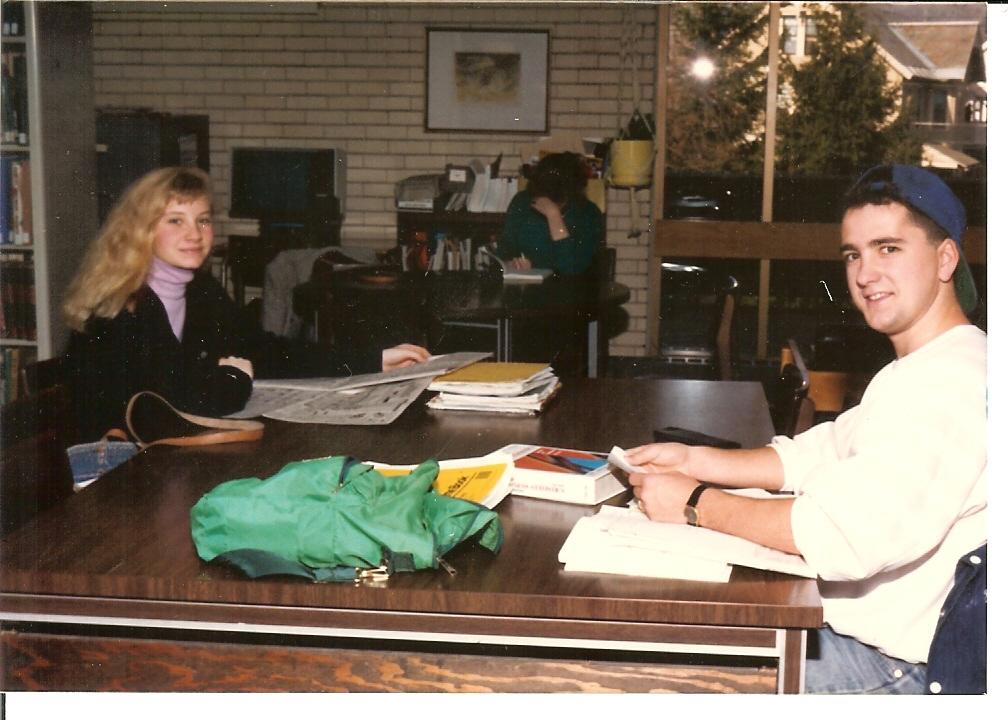
    <summary type="html"><![CDATA[<p><strong><em>The Freel Library was built in 1970, reflecting a focus on educational development at the college as MCLA’s enrollment increased.</em></strong></p><img src="https://historicnorthadams.com/files/fullsize/75203ec17a157facd1149c5203c48363.jpg" alt="Freel Library offers what most libraries do, a quiet place to remain focused on work, reading and research." /><br/><p>Freel Library has been on MCLA’s campus since 1970 and has gone through various changes over time leading up to today. The library was moved to the newly built building, completed in the 70s with the project costing around $9,500,000. The main priority of the project was to expand the library, but the scope of work done included the renovation of the existing library, parking additions, and site improvements. In the building's early days, the library had a stack capacity of 150,000 volumes and close to 400 seats, with 60% of seating being private study spaces. The lower level housed the Computer Services department and curriculum resource center. </p><p>In the 1980s, Freel Library would increase its collection to 381,000 items total, including 153,000 books, 11,500 non-book items and 216,000 microfilm units. Familiar faces during the building's early days included Charles McIsaac, head librarian, Ann Terryberry and Joan Zagata, librarians in Freel, and a couple of junior librarian assistants Virginia Morin and Janice Gold. During the 1980s, the library was staffed by five full-time and five part-time professional librarians, three student workers, and 11 full and part-time clerical staff. Charles A. McIsaac, head librarian from the 1970s to mid 1980s, had a reputation for his drive to help students find answers to their research. </p><p>As the years have gone by, the interior of the library has changed, and so have the faces that worked here, but what it offered to its students has remained the same. The library has always offered students a place to come and relax, be curious, socialize, and to find answers to their questions. </p><p>Freel Library has hosted various events over the years. One notable event was an exhibit of staff and faculty’s favorite books called, “You’ve Got to Read this” that took place April 1995 in honor of National Library Week. Those who submitted titles of their favorite books wrote a brief explanation of the book's importance to them and what they enjoyed. These books were on display for the whole week in the library. Other events include A Century of Yearbooks (2000), Hawthorne and Melville: A Sense of Place (2004), The Caldecott Experience (2005), and much more. At its core, Freel Library has remained an integral part of student life on campus; the building has seen new faces, new materials and numerous events since the 1970s.</p><p><em><strong><a href="https://historicnorthadams.com/items/show/230">For more (including 6 images) view the original article</a></strong></em></p>]]></summary>
    <published>2026-04-08T03:14:38+00:00</published>
    <updated>2026-04-17T19:40:49+00:00</updated>
    <link rel="alternate" type="text/html" href="https://historicnorthadams.com/items/show/230"/>
    <id>https://historicnorthadams.com/items/show/230</id>
    <author>
      <name>Olivia Patenaude</name>
    </author>
  </entry>
  <entry>
    <title type="html"><![CDATA[President Frank Fuller Murdock]]></title>
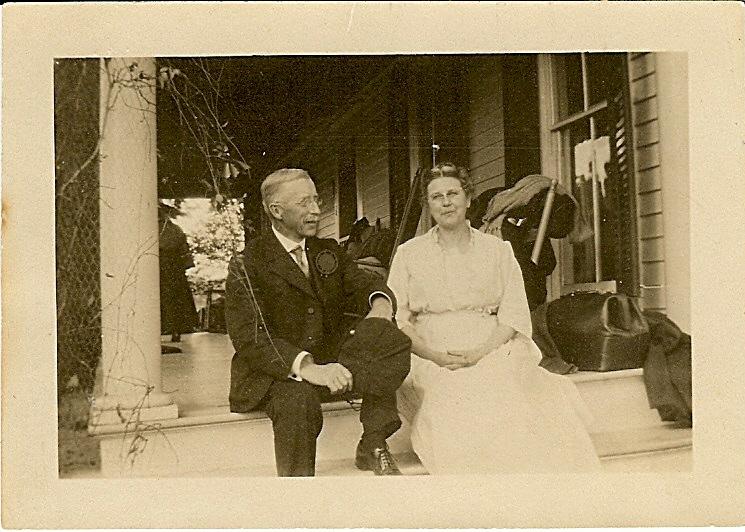
    <summary type="html"><![CDATA[<p><strong><em>MCLA’s legacy is defined by the influence of the Progressive Education movement, thanks to the work of the first president of the North Adams Normal School, Frank Murdock. Murdock integrated the ideas and philosophies of the Progressive Education movement into the curriculum of North Adams Normal School, which is embodied in the liberal arts structure of MCLA.</em></strong></p><img src="https://historicnorthadams.com/files/fullsize/7b3dc78a145f0c6dce8747b18f4063a1.jpg" alt="Frank Murdock and his wife Alice together on their porch." /><br/><p>Frank Fuller Murdock was born in Quincy, Massachusetts in 1859 and attended Charlestown high school. Later, he studied at Harvard University but left due to illness and subsequently graduated from the Bridgewater Normal School in 1879. He first gained his teaching experience in rural schools and later returned to his alma mater and was a faculty member at Bridgewater, before being appointed the first president at the North Adams Normal School in 1896. </p><p>Murdock remarked in his time that the popular mode of teaching at most New England normal schools was a traditional “medieval” format, which Murdock saw as out of date. He perceived that schools in New England through the 1870’s and 1880’s functioned in an Aristotelian manner, formulated around strict classroom procedures. At this time, Murdock was not alone in his beliefs. Through the late 1800’s and early 1900’s, the progressive education movement advocated for a shift away from the old rigid forms of education, and towards a natural, hands-on approach. </p><p>Murdock, alongside other influential educators such as John Dewey, had significant impacts on education systems in the United States. John Dewey is the most famous advocate of the Progressive Education movement and is most notably known for the publication of his pamphlet, <i>The School and Society</i>. In this pamphlet, Dewey advocated for “manual training”, a system wherein students are educated by nature with real things and materials, emphasizing a shift away from traditional classroom methods, and instead focusing on learning through physical action. </p><p>Sharing some of the philosophy of “manual training”, Murdock labeled his teaching systems as “practice teaching” which taught children through methods such as gardening, woodworking, printing, weaving, sewing, cooking, and more. Murdock perceived these techniques as a means of helping children to adapt more naturally to their environments. </p><p>Murdock’s philosophy manifested in education through his methods of educating children in geography. Murdock advocated for the use of geography as a teaching tool, one which has the capacity of fostering intuition, judgement, and mental faculties of the students. This approach was influenced by his early experience in rural regions. Murdock had experience in cities, as well as rural schools. This varied experience influenced his belief and advocacy for rural students receiving the same quality of education as urban students. This belief is what birthed his “practice training” approach. </p><p>In his methodology, geography and the natural world became a tool through which the students could discover themselves. Frank Murdock had a philosophy of “learning in place”, putting children in contact with the physical geography of their place was an effective learning tool. Murdock described using simple natural phenomena such as snow, to facilitate learning experiences for young children. His process allowed for the natural world to become a catalyst for building intuition and natural judgement faculties. </p><p>Although today Murdock may not have the same national recognition as leaders like John Dewey, during their time as contemporaries, Murdock received national recognition and accolades. For example, in 1907 he was commissioned by the state to study industrial education movements throughout the country. </p><p>Dewey, Murdock and many others have shaped education culture in the United States, both during their time, and for today. North Adams Normal School becoming the Massachusetts College of Liberal Arts is a sort of return to form in this regard. Liberal Arts challenges traditional educational methods and encourages learning styles that mirror the approaches of Progressive Education advocates like Frank Murdock.</p><p><em><strong><a href="https://historicnorthadams.com/items/show/229">For more (including 5 images) view the original article</a></strong></em></p>]]></summary>
    <published>2026-04-07T15:11:51+00:00</published>
    <updated>2026-04-21T14:59:34+00:00</updated>
    <link rel="alternate" type="text/html" href="https://historicnorthadams.com/items/show/229"/>
    <id>https://historicnorthadams.com/items/show/229</id>
    <author>
      <name>Connall Mannion</name>
    </author>
  </entry>
  <entry>
    <title type="html"><![CDATA[The History of MCLA’s Bowman Hall]]></title>
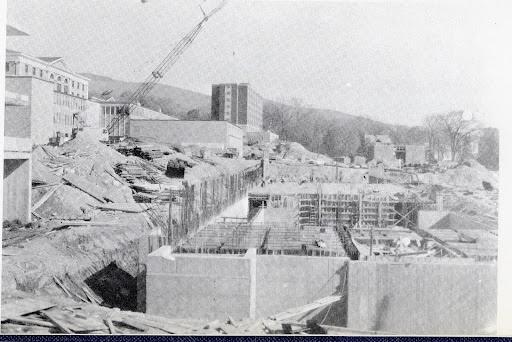
    <summary type="html"><![CDATA[<p><strong><em>More changes have taken place in the Bowman building at the Massachusetts College of Liberal Arts (MCLA) than most people would expect. Its history reflects the growth of the college itself, dating back to when the institution was known as “North Adams State College.”</em></strong></p><img src="https://historicnorthadams.com/files/fullsize/24eec9d1e474eb3d95f8e1ae65b33656.jpg" alt="Bowman Hall under Construction." /><br/><p>Bowman Hall was named after the college’s fourth president, Grover C. Bowman. Bowman had previously held the role of superintendent of North Adams City Schools. Born in Covington Indiana, Bowman attended and graduated from Williams College in 1906 and even received an additional honorary degree in 1955 from Williams College. He became known as a “teachers’ teacher,” producing highly educated and well-prepared teachers that would go on to be prepared educators. His leadership was held in high regard by his colleagues in education. Bowman served as president from 1937 to 1955, a period of which many strong-willed students excelled under his presidency.</p><p>The construction of Bowman Hall marked a significant investment in the college’s future. In 1965, architectural sketches for Bowman Hall along with Freel Library were presented to the public as part of a larger campus development project. This project cost approximately $3.3 million at the time, equivalent to about $32 million today. Bowman Hall was designed to include twenty-four classrooms, three chemistry laboratories, a language lab, and a small service elevator. Faculty members were provided with a lounge, sixteen offices, and a dedicated laboratory for research. Construction reached its halfway point around May 11, 1968, with completion expected in early May 1969, in time for use during the fall semester of that year. Bowman Hall quickly became a center piece of North Adams State College and remains so up to the present at MCLA.</p><p>In 2014, Bowman Hall underwent major renovations to modernize the building and improve energy efficiency. The number of classrooms was reduced to thirteen or fourteen, each equipped with more energy-efficient technology to lower operating costs. Short-throw projectors were installed, and traditional whiteboards were replaced with interactive touch screens, allowing professors to better integrate technology into their teaching. The top floor was updated to include graphic design labs focused on geographic information systems and digital editing for several programs and art students to pursue. Additionally, the MCLA Press gallery was relocated from North Adams’ Main Street into Bowman Hall. The building officially reopened in 2015 following the completion of the $15 million renovation, continuing its role as a key location in MCLA’s academic environment.</p><p><em><strong><a href="https://historicnorthadams.com/items/show/227">For more (including 6 images) view the original article</a></strong></em></p>]]></summary>
    <published>2026-04-06T21:05:59+00:00</published>
    <updated>2026-04-17T19:40:49+00:00</updated>
    <link rel="alternate" type="text/html" href="https://historicnorthadams.com/items/show/227"/>
    <id>https://historicnorthadams.com/items/show/227</id>
    <author>
      <name>Kadan Burdick</name>
    </author>
  </entry>
  <entry>
    <title type="html"><![CDATA[President Catherine A. Tisinger ]]></title>
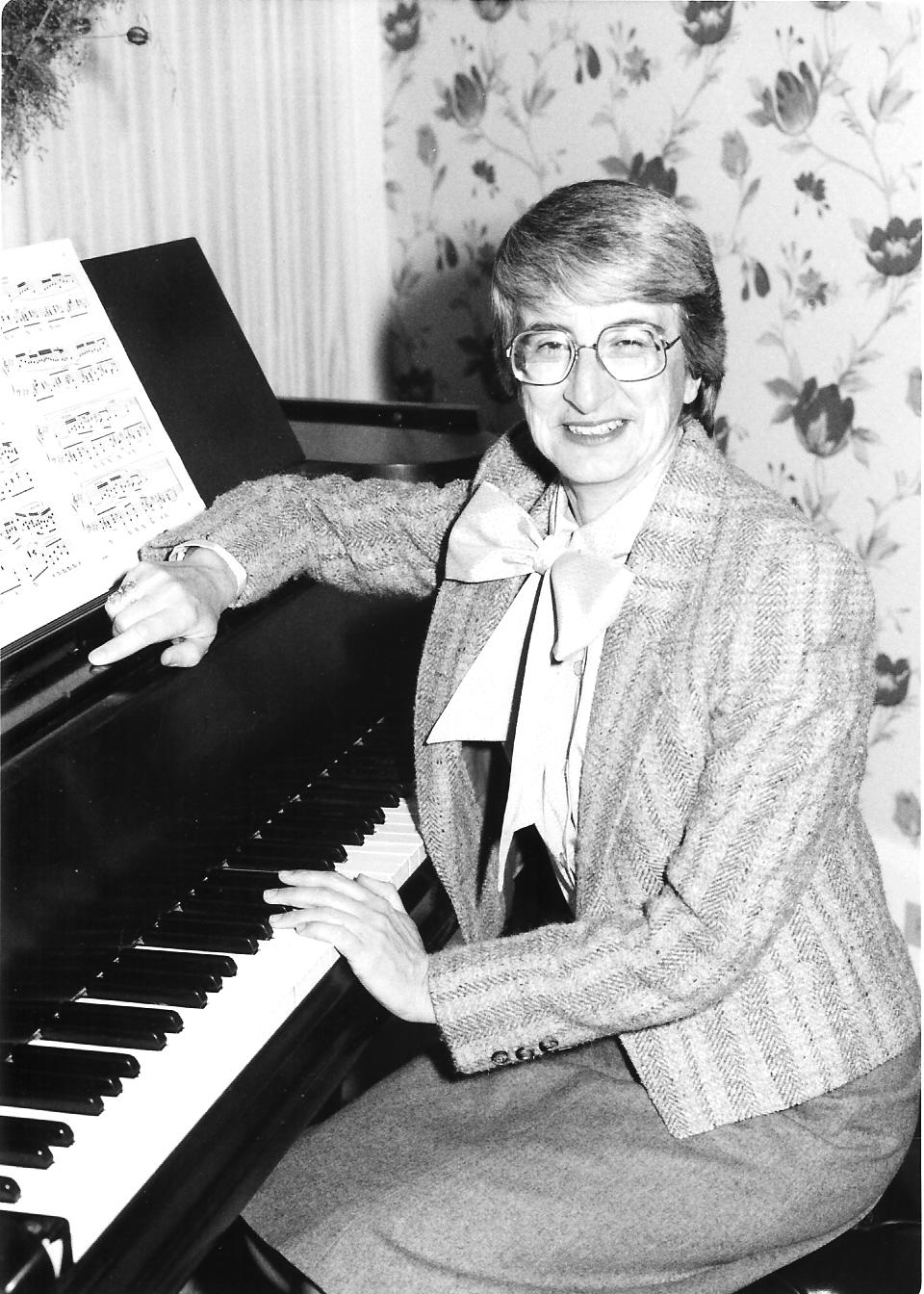
    <summary type="html"><![CDATA[<p><strong><em>President Catherine A. Tisinger was president of North Adams State College from 1984 to 1991. She was the first female president of North Adams State College (now MCLA) and the first female president of any state college in Massachusetts.</em></strong></p><img src="https://historicnorthadams.com/files/fullsize/fa23c92870e11e31a53b835133828aae.jpg" alt="President Tisinger had many hobbies, including music. " /><br/><p>Catherine A. Tisinger had an impressive resume preceding her inauguration. She held a MA and PhD degree in South Asia Regional Studies from the University of Pennsylvania and did post-doctoral work in Educational Management and Asian Studies at Havard. Tisinger also had previous teaching experience at five universities, including the University of the Pacific, where she was awarded tenure. Prior to her time in North Adams, Tisinger had a significant background in higher education administration through positions like Special Associate Vice Chancellor for Academic Affairs at Minnesota State and when she had served as Interim President of Southwest State University in Minnesota. With all this experience, it is surprising to note that she did not have an amazing presidency at North Adams State College. </p><p>Tisinger lived in the Smith house on the MCLA campus. From the start of her presidency in 1984, many faculty had problems with her leadership. The college was desperate and hoping for a change at this time. The faculty allowed the president to become acquainted with the school but by her second year there were complaints of how she fulfilled a leadership role on campus. Critics claimed the campus needed direction and a vision to follow as well as someone to look to who could implement that vision and did not feel that President Tisinger was fulfilling that role.</p><p>In 1987, chairpersons of the various departments had been meeting for over a year to discuss the problems with the campus. They met with President Tisinger to bring to her their concerns. The following academic year, Tisinger made no announcements to show that the concerns would be addressed and change is on its way. The next academic year went by with the same problems. By 1989, when the president’s 5-year evaluation came out, it described in great detail many shortcomings of President Tisinger’s presidency. For the remaining years of Tisinger’s presidency nothing much would change. She would resign from her position in 1991 amidst pressure from faculty.</p><p><em><strong><a href="https://historicnorthadams.com/items/show/226">For more (including 5 images) view the original article</a></strong></em></p>]]></summary>
    <published>2026-04-06T20:33:23+00:00</published>
    <updated>2026-04-18T20:01:47+00:00</updated>
    <link rel="alternate" type="text/html" href="https://historicnorthadams.com/items/show/226"/>
    <id>https://historicnorthadams.com/items/show/226</id>
    <author>
      <name>Sam Broderick&#13;
</name>
    </author>
  </entry>
  <entry>
    <title type="html"><![CDATA[NASC Hockey: The Jump to Division II]]></title>
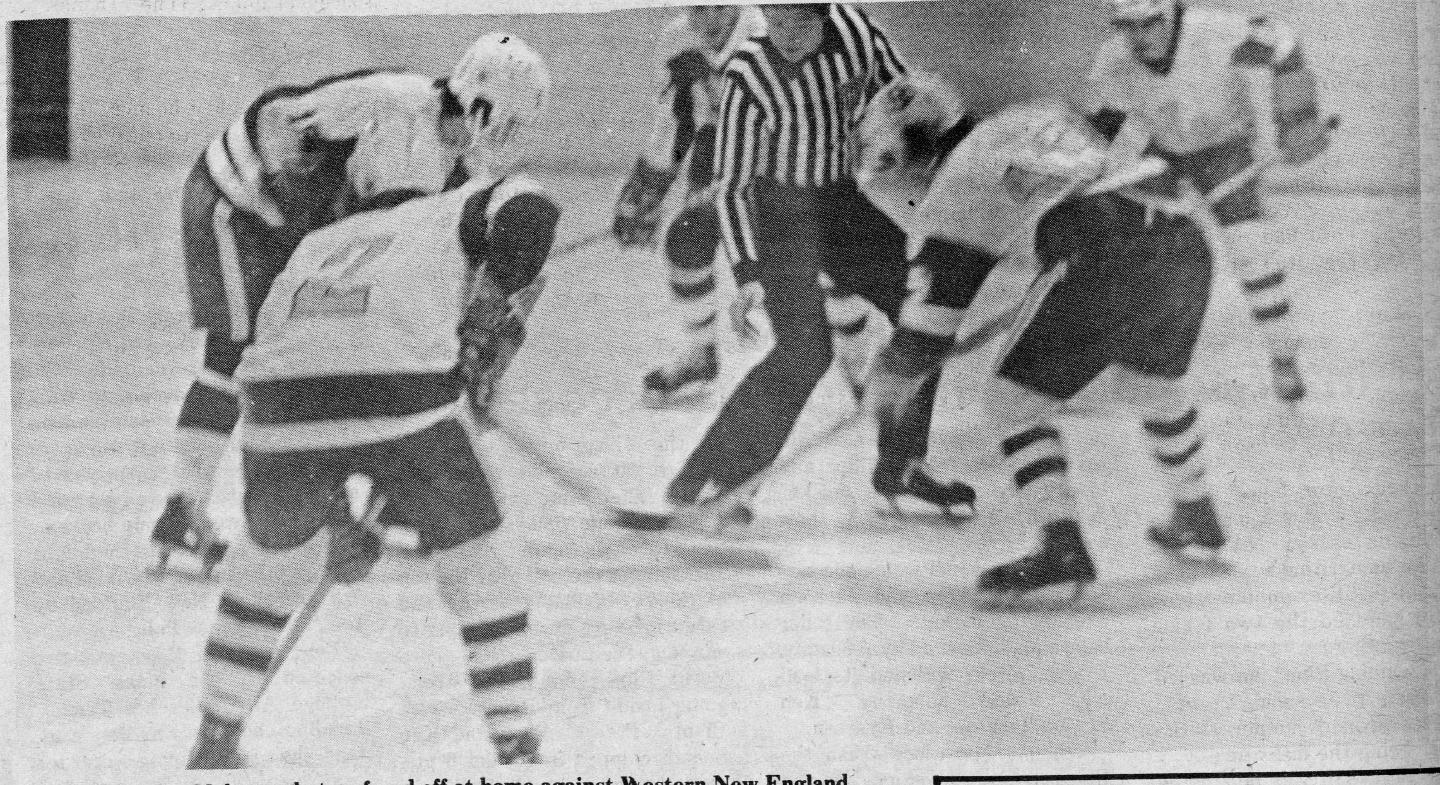
    <summary type="html"><![CDATA[<p><strong><em>Did you know that MCLA hockey was once competing at the Division II level? In 1975, the then North Adams State Mohawks made the leap from Division III to Division II with mixed results.</em></strong></p><img src="https://historicnorthadams.com/files/fullsize/94aec29c768eaeecc000c35cd0555c3c.jpg" alt="Face off." /><br/><p>One of the most interesting spans in MCLA (then North Adams State College) hockey history was 1975-1977. After 3 successful seasons, the program felt they were ready for a change.</p><p>In 1975, the school submitted a letter to the board requesting that they be moved up to Division II after having a winning record the year prior against Division II opponents and finishing runner-up in Division III. It was accepted, and starting in the 1975-76 season, they would now be a part of Division II.</p><p>This was a big step up, but it was also a major success for the hockey program. They believed by moving up to Division II, they would be able to get more recruits due to the better competition they would be playing against. The better players that came to the program, the more success it could have. At the time, North Adams State’s roster was made up mostly of students from eastern Massachusetts and the greater Boston area. They believed that if they were to make this jump, a wider array of players would consider coming here to play hockey. </p><p>With the team already playing against some Division II opponents in prior years and having some success, it was expected that success would translate in the 1975-76 season. However, that largely did not turn out to be the case. The Mohawks would finish with an overall positive record, going 11-10, but their Division II record saw only 3 wins to 9 losses. It was a rough first season as a Division II team, but they would continue to try and improve in the 1976-77 season. </p><p>The second season went a little better and was much more well-documented. The Mohawks started off the season strong with a 6-2 win over New England College of New Hampshire. The Mohawks then fell to New Haven in game 2, followed by a dominating win over Bridgewater State 8-1, with Freshman center Jack Sheehan scoring a hat trick in the game. By Christmas break, the team exceeded last season's Division II win total at 5-3, and 6-3 overall. This was a big step and made the Mohawks a threat in their conference. </p><p>This success did not last long, though, as the Mohawks dropped back-to-back games after Christmas break. A 6-3 loss to Oswego State and a 6-5 overtime loss to Bishop’s University of Canada in the Williams College Christmas tournament would put the school at just 6-5 overall and 5-5 in Division II. Unfortunately for the Mohawks, things did not get much better for the rest of the season; they would only be able to capture one more victory at the Division II level. </p><p>Coach Jim Ellingwood's squad struggled, even losing a game 13-4 to UConn. This was the largest number of goals scored against them in their first two seasons in Division II. They would finish the season with a 6-10 record in Division II, but a 14-11 overall record. They capped off a frustrating season with a 13-3 win over Framingham State. </p><p>Even with the disappointing end, there was still improvement from the season prior. Although the team struggled in their first two seasons of Division II competition, they would continue to compete and have successful seasons in following years.</p><p><em><strong><a href="https://historicnorthadams.com/items/show/220">For more (including 5 images) view the original article</a></strong></em></p>]]></summary>
    <published>2026-04-06T04:21:20+00:00</published>
    <updated>2026-04-17T19:40:49+00:00</updated>
    <link rel="alternate" type="text/html" href="https://historicnorthadams.com/items/show/220"/>
    <id>https://historicnorthadams.com/items/show/220</id>
    <author>
      <name>Andrew Mayberry</name>
    </author>
  </entry>
  <entry>
    <title type="html"><![CDATA[North Adams State College Pub]]></title>
    <summary type="html"><![CDATA[<p><strong><em>Beginning in the 1960s, the North Adams State College Pub was a center of student social activity for the next three decades. As times changed, however, the Pub was phased out in the early 1990s as school administrators came to believe that its presence on campus encouraged underage drinking.</em></strong></p><img src="https://historicnorthadams.com/files/fullsize/7dfad61a0411881f008be8469cd1f31f.jpg" alt="Students clowning around at the NASC Pub in the 1980s." /><br/><p>Students of Massachusetts College of Liberal Arts know the Amsler Campus Center as the home of the beloved Centennial Room, the dining hall option for students on campus. However, alumni of North Adams State College remember this same location, not for the Centennial Room, but for The Pub that once stood in its place. Originally opened in in the 1960s, the pub was seen as a safer option for of-age students to consume alcohol. However, there were also critics of its existence and who believed the Pub was lacking in entertainment and options for those not drinking. </p><p>In the Fall of 1975, operations to renovate and improve the pub were proposed under the assumption that it would increase revenue for the institution and allow for more event spaces on campus. From 1976 until 1981 many renovations took place in The Pub, including the addition of a manager, video games, a juke box, the installation of a pizza oven, improved stools, a dance floor, a new cooler, and new wiring.  Many of these renovations being done or aided by the students of Charles H. McCann technical High School. These renovations cost $12,050 at the time of their construction, just under $70,000 today. </p><p>With the many new additions, The Pub took off in the 1980s. The pizza oven was used as a means of providing food for the establishment, which in part was run by each years junior class as a means of raising money for the class during happy hours once a week. The new coolers meant they could expand their drink menu from just beer on tap to having wine coolers and seltzers as an option too. The dance floor meant entertainment options and events could be hosted within this space by the institution, organizations affiliated with the school, and even some clubs. </p><p>The 1980’s also saw an increase in underage drinking within The Pub by primarily 18- and 19-year-old students, causing a massive backlash and eventually leading to the removal of combo events with The Pub. Many believed The Pub to be a poor decision on part of the school as they believed it encouraged underage drinking for students on their own campus. </p><p>In September 1992, the school stopped combo events happening between these groups and The Pub.  However, by October of that same year, students were already calling for the reinstatement of combo events as it boosted the attendance of such events. Combo events would again be reinstated for the following semester, this time with a separate set of rules for the organizing groups to follow.</p><p>By the fall of 1993, The Pub would be closed for good, allowing for the Centennial Room to take its place on campus. Since the switch, the Centennial Room has continued to be a hub for students of all kinds to catch a bite between class or do homework over a cup of coffee or tea.</p><p><em><strong><a href="https://historicnorthadams.com/items/show/212">For more (including 3 images) view the original article</a></strong></em></p>]]></summary>
    <published>2025-07-29T19:59:45+00:00</published>
    <updated>2026-04-17T19:40:49+00:00</updated>
    <link rel="alternate" type="text/html" href="https://historicnorthadams.com/items/show/212"/>
    <id>https://historicnorthadams.com/items/show/212</id>
    <author>
      <name>Sydalee Rinker</name>
    </author>
  </entry>
</feed>