Boardman Block: Housing and Tenant Rights in North Adams
Originally built in 1914 to house Adams Print Works' skilled workers, the Boardman Block became the site of a protest advocating for historic preservation of the apartments in the 1970s.
Text
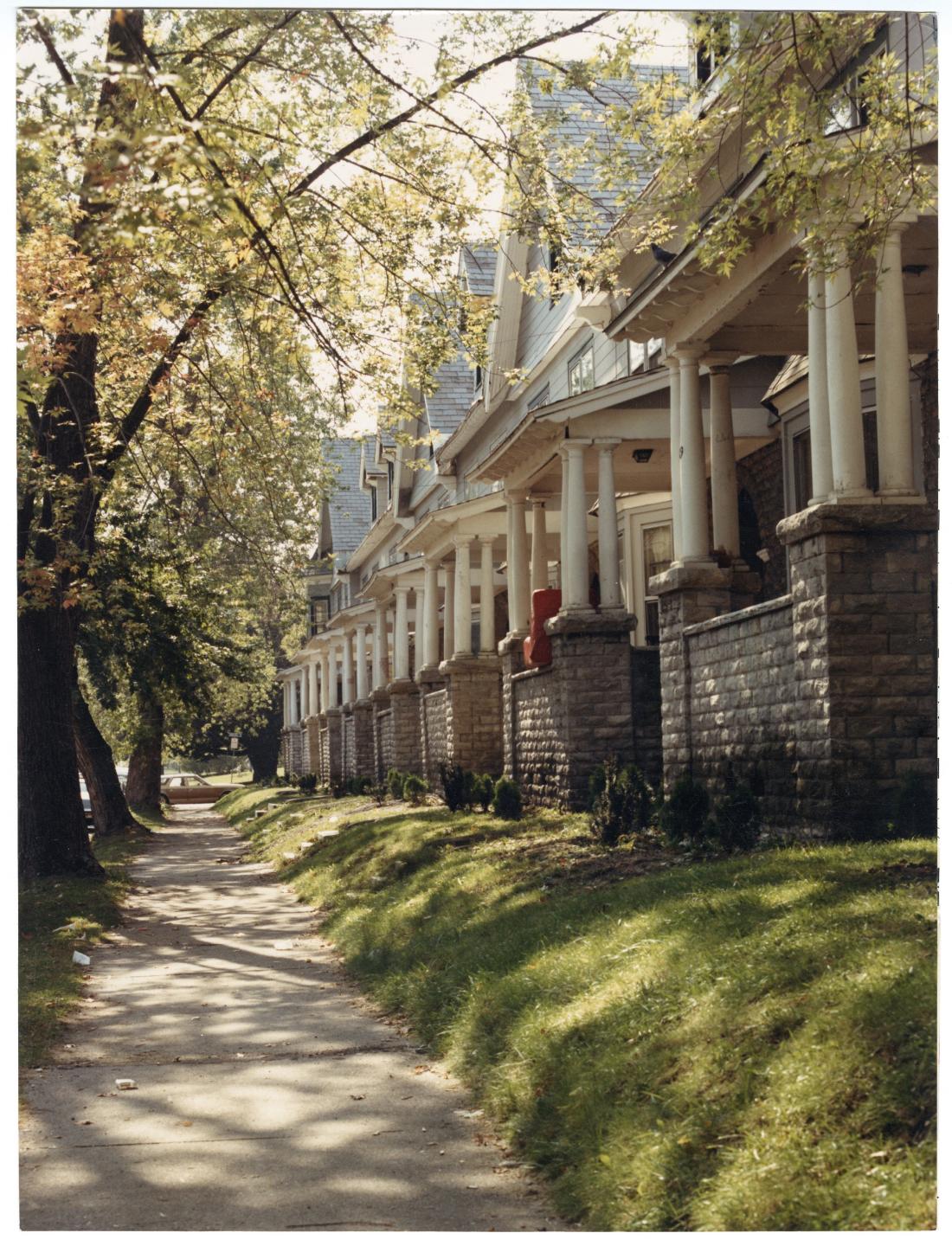
The Boardman Block was constructed between 1901 and 1914 by local industrialists with the intention of housing employees of the Adams Print Works. The building was intentionally built to be more ornate and decorative than other neighboring properties. This was because the residents of the Boardman Block were more specialized than other working-class tenants. Housed in the Block were in-house chemists and dyers who worked for the Adams Print Works, who were more socially elevated than their peers because of their specialization. Later, teachers at the North Adams Normal School and other middle-class tenants occupied the building.
Vadnais Homes Inc. purchased the Boardman Block in September of 1961. Vadnais was a real estate group who quickly purchased property across the city in the early 1960’s, with the intention of renovating out-of-date housing facilities. When they purchased the Boardman Block in 1961, they stated that the apartments were in great shape, but the outside of the building needed repairs. Looming repairs were of great concern to residents of the Boardman Block who feared that the historical significance of the building’s appearance would be sacrificed in the repairs on the outside of the building.
These concerns increased when Pen-Bob Realty purchased the Boardman Block from Vadnais Inc in December 1972. Robert T. Arnold of Pen-Bob Realty was greatly concerned with the outside of the Boardman Block, particularly the roofing and outside facing ornamental elements, and signaled the need for repairs. These changes concerned residents, prompting more than 50 residents in the Montana Street area to sign a petition to prevent renovations that would change the historical appearance of the building.
The movement to preserve the historic appearance of the Boardman Block was spearheaded by North Adams State Professor Daniel P. Connerton, who was very vocal publicly about preserving its historic features. Connerton was personally invested in matters of public history and preservation, since he was a professor of history at North Adams State College, and a member of the city’s Historical Commission. These concerns escalated when the city inspector found that the chipping interior and exterior paint of the Block contained significant amounts of lead and would require remediation work to provide safe-living conditions. Pen-Bob threatened to evict their tenants during the remediation process, which caused even more public controversy surrounding the Block.
Eventually, at the height of this public controversy, Pen-Bob sold the property to William and Geraldine Eastler of Williamstown for $82,000 in February 1973. William Eastler was the executive director of the Hoosuck Community Resources Corp, and shared concerns of architectural preservation with residents such as Connerton. Despite his preservation concerns, Eastler did still make significant renovations to the property, such as installing modern aluminum doors and storm windows to meet modern safety requirements.
Eastler’s reputation did not stay in good standing with the tenants of the Block for long, though. While on honeymoon in Hawaii, Eastler sent notifications of significant rent increases to the tenants of the block. In response, tenants attempted to rally and get the city to enact rent control initiatives, which ultimately failed. This resulted in a significant increase in the cost of living for tenants of the Boardman Block.
The Boardman Block passed through the hands of several different owners over the preceding decades. From the 1980s on, students at the nearby North Adams State College (now MCLA) were the primary occupants. As of 2023, the Boardman Block is a sober living facility managed by Alternative Living Centers, who provide outpatient addiction treatment services.
Files
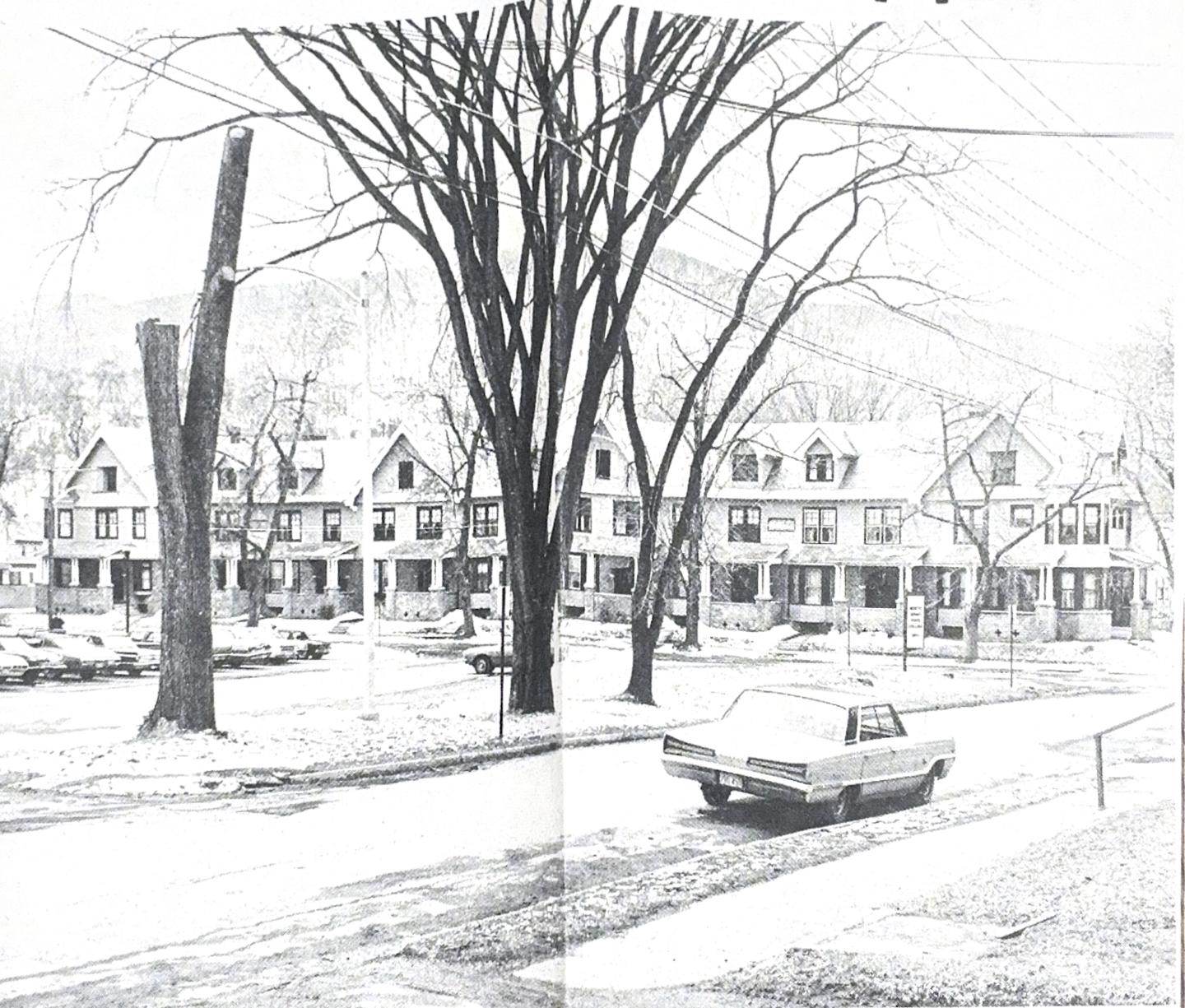
Boardman Block, 1972.
Boardman Block as it appeared in 1972, at the time of sale from Vadnais Inc. to Pen-Bob Realty Group. At this time, the outer features were in need of repair, such as roofing and doors. Pen-Bob Realty purchased the Block with the intention of remediating these needs. | Source: North Adams Transcript, April 11, 1972.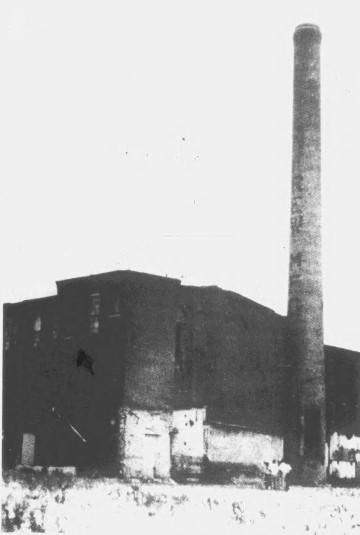
Adams Print Works circa 1988.
The Boardman Block was originally intended to house chemists and dyers who were viewed as higher status. | Source: North Adams Transcript, July 7, 1988.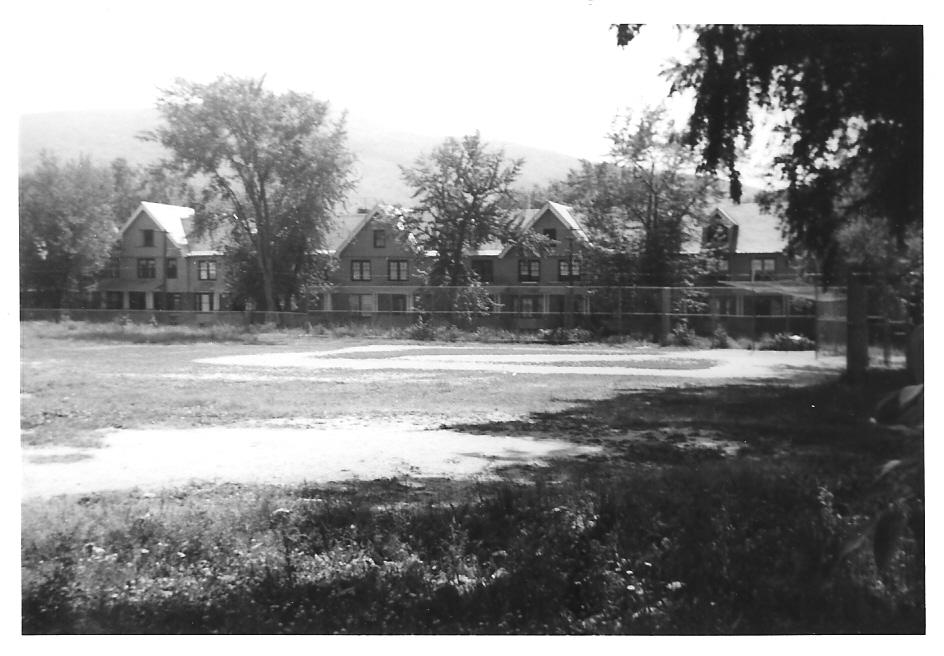
Boardman Block in 1955.
This photo was taken notably before the construction of what is now the location of Bowman Hall at MCLA. The Block was owned by Walter E. Penniman and Rachael P. Witherell of Cheshire at the time. | Source: Courtesy of MCLA Freel Library.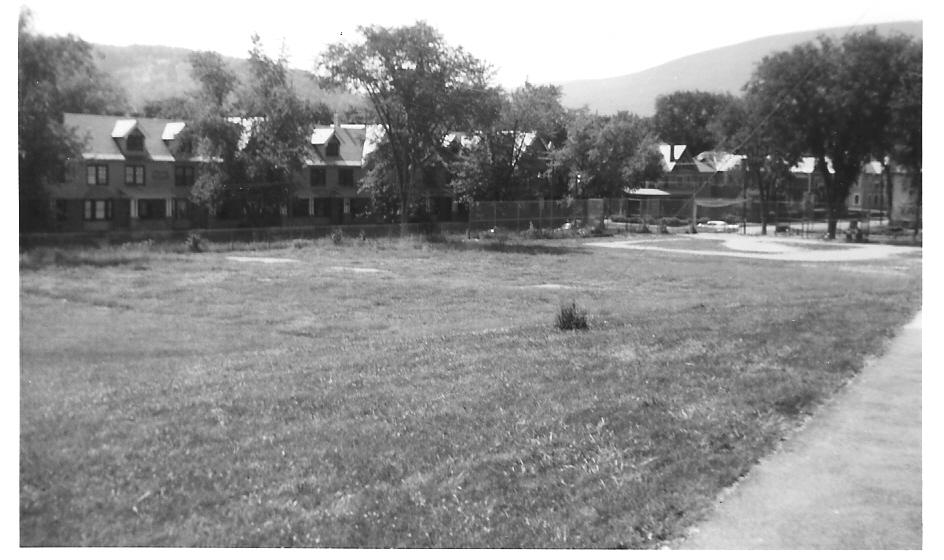
Alternate view of the Boardman Block in 1955.
When the property was purchased a few years later in 1961 by Vadnais Inc, they noted that the interior of the apartments were in good condition but the outside was in need of repairs. | Source: Courtesy of MCLA Freel Library.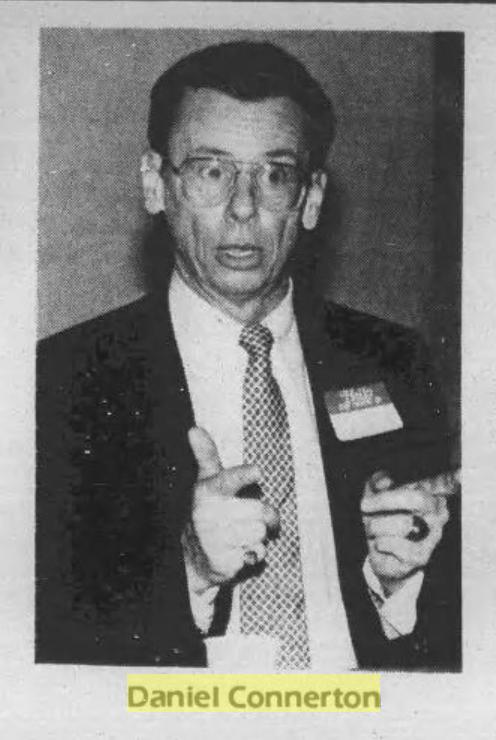
Professor Daniel P. Connerton, a resident of the Block and advocate for the preservation of the historical features of the building.
Connerton lived in the Block for some time while living in North Adams, and was a key figure in bringing public attention to the controversies surrounding the Boardman Block. | Source: North Adams Transcript, October 3, 1991.