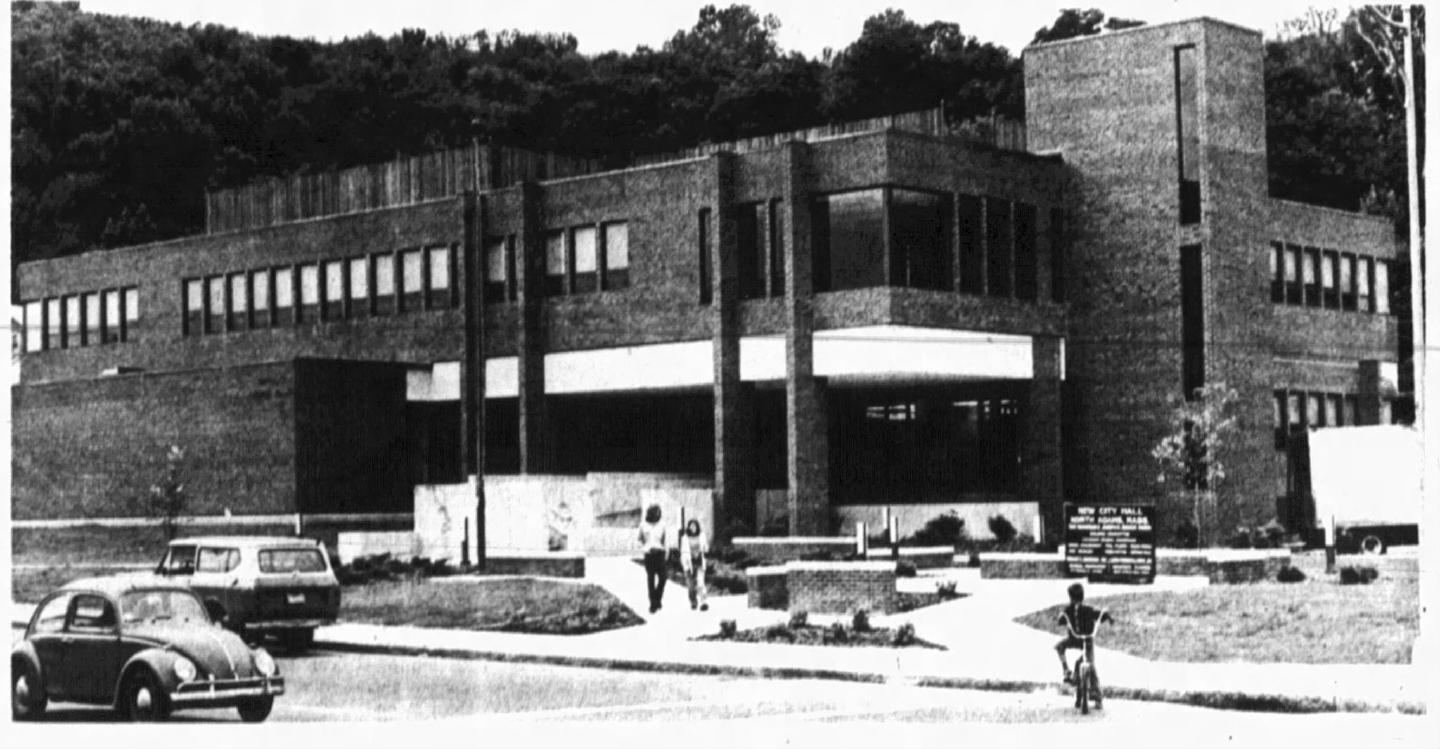
Old City Hall
On Summer Street, in one of the oldest parts of North Adams, Massachusetts, stood the old City Hall. It may not have been the tallest building or still holding city council meetings, but memories of it still carry the decades of decisions, voices, and footsteps that will forever live on.
Text
On Summer Street, in one of the oldest parts of North Adams, Massachusetts, stood the old North Adams City Hall. It may not have ever been the tallest building or still holding city council meetings today, but memories of it still carry the decades of decisions, voices, and footsteps that will forever live on.
In the late nineteenth century, North Adams began to separate itself from the neighboring town of Adams. Col. John Barcewell brought up the discussion of separation at the 1894 town meeting. They met in the boardrooms to discuss not only becoming their own city but also forming their own city government. The suggestion created a strong stir amongst the people, who believed that if they made this decision, their taxes would start to increase. But in the end, the decision was made in favor of becoming a city, a strong symbol of the independence and growing ambition that existed all throughout North Adams.
Supporters also suggested the possibility that this would result in much better service management of the town's affairs. The new City Council members would take responsibility for the entire city. The mayor would receive a good salary, wield significant power, and devote his time to the city's business. He would also be the one to appoint department heads.
As the newly incorporated city searched for municipal offices, attention turned to a prominent building on Summer Street that had originally been constructed as the stable and carriage barn of industrialist Albert C. Houghton. Houghton had already converted the structure for commercial use after moving from his nearby residence to the Blackinton mansion on Church Street, later the home of the public library. By the mid-1890s, the town was already renting the lower floor of the remodeled building for offices, while the North Adams district court was also considering the site for new quarters.
The proposal to purchase the building quickly became one of the city’s first major political controversies. Houghton offered to sell the property for $30,000 after further renovations designed by architect H. Neill Wilson, but debate erupted over whether the cost was excessive or whether North Adams should instead construct an entirely new city hall. Local newspapers took opposing sides, with the North Adams Evening Herald criticizing the purchase while the Transcript endorsed it as a practical investment in a centrally located, modern building equipped with electricity, gas lighting, and hot-water heat. In October 1895, the Finance Committee recommended the purchase, and a town meeting approved it by a two-to-one margin through a 30-year mortgage arrangement. Houghton himself was elected the city’s first mayor that same year while also serving as president of Arnold Print Works, the city’s largest employer. City Hall housed the mayor’s office, city council chambers, and other municipal departments while also serving as a gathering place for public ceremonies, political meetings, and community events.
Although originally viewed by some as a temporary solution, the former stable served as North Adams’ City Hall for decades until the 1970s. Beginning the 1960s and continuing in the 1970s, North Adams’ officials increasingly turned towards the idea of urban renewal. During this time, leaders created the Redevelopment Authority, which played a major role in reshaping the city. By 1970, reconstruction efforts along Main Street were well underway, marking an important shift in how North Adams from its earlier architecture towards a urban development. City planners turned their eyes towards replacing City Hall with a more modern replacement.
The James Hunter Machine Company stepped in with an offer to donate their former factory and land on Main Street for the purpose of building a new City Hall. While some voices were raised in favor of rehabilitating the Hunter building and turning it into the new City Hall, the decision was made to raze the area to build a brand-new center for the city government. The new City Hall opened in the summer of 1974, built at the cost of $1.23 million, and remains in use today.
The old City Hall was demolished shortly thereafter, another victim of North Adams’ era of urban development.
Files
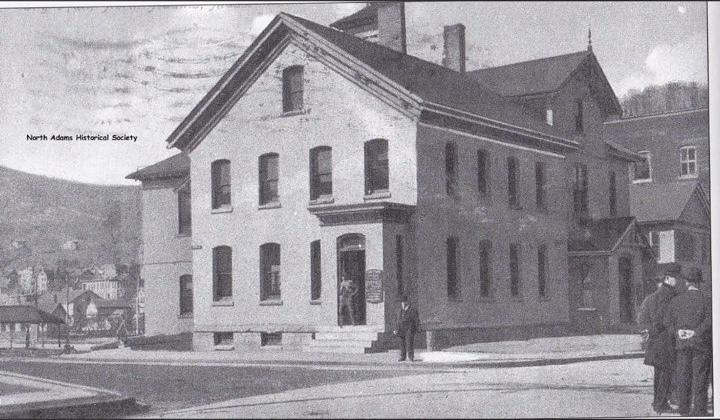
Front of City Hall building.
Historic photograph of North Adams’ first City Hall, a simple yet important civic building that stood at the heart of the growing town. This structure served as a center for local government and community life, reflecting the early development, organization, and identity of North Adams during its formative years. | Source: Courtesy of the North Adams Historical Society.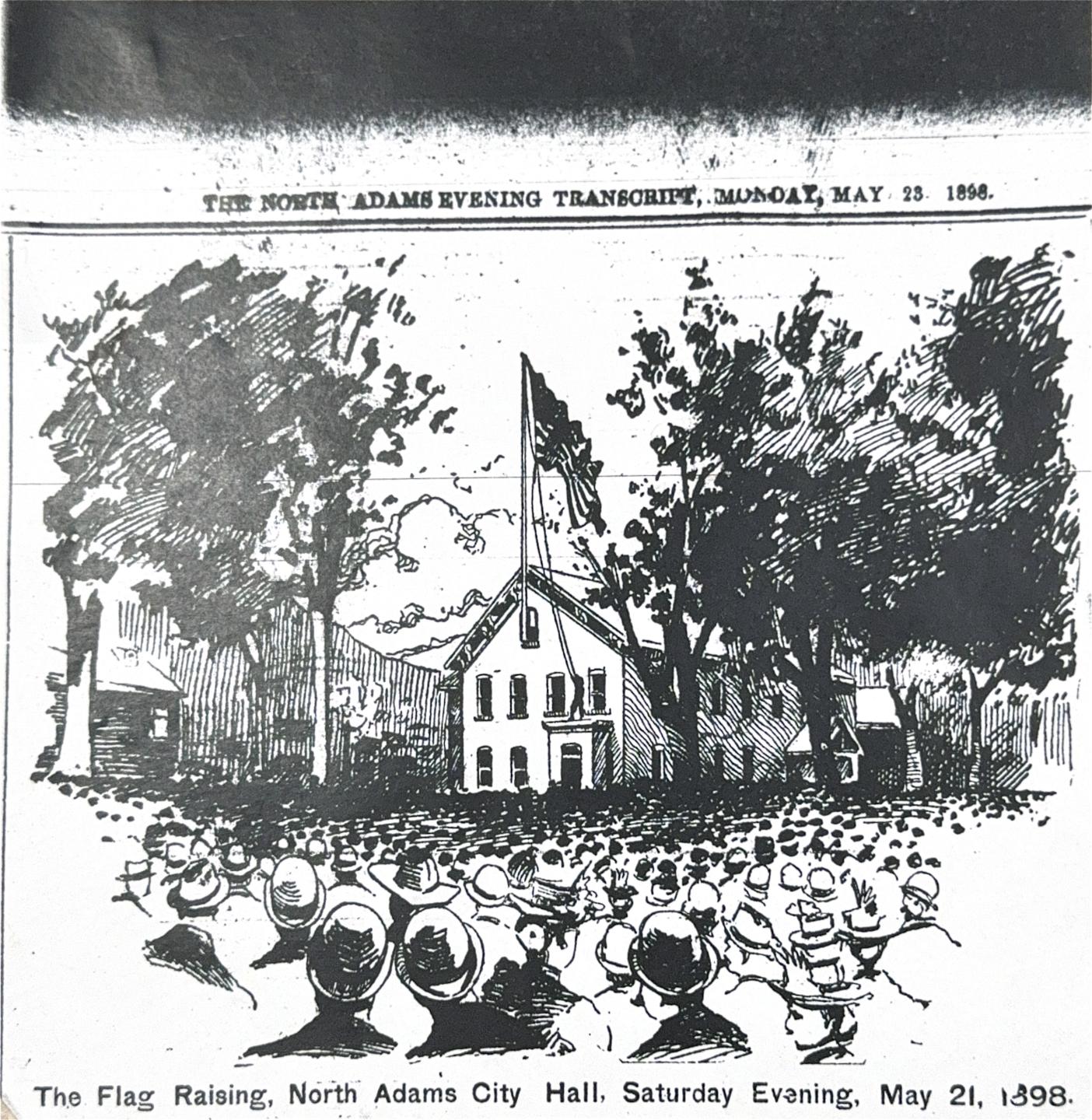
Raising the flag.
The crowd of North Adams gathers in unity for the flag-raising. Men, women, children, and families stand shoulder to shoulder, all looking forward in a shared feeling of pride. | Source: Courtesy of North Adams Historical Society.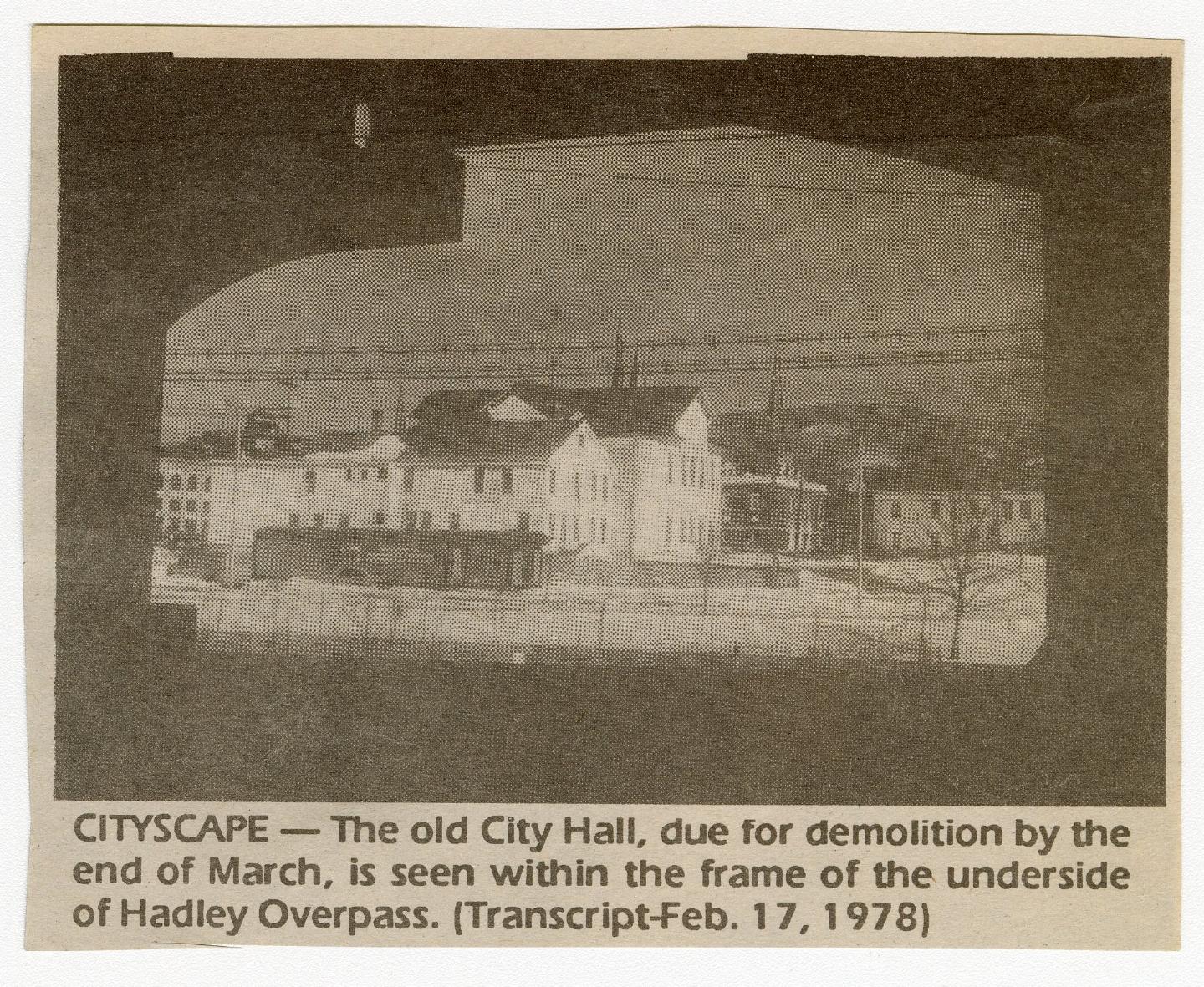
Old City Hall.
Framed underneath the shadow of the Hadley Overpass, the Old City Hall building pictured here was awaiting demolition. However, the debates, decisions, and conclusions made will not be forgotten when the doors close for good; they will carry over to the new structure. | Source: Courtesy of the North Adams Historical Society.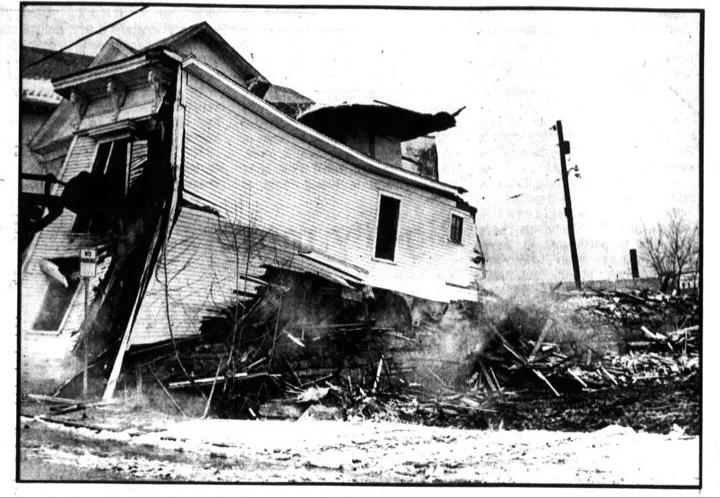
Old City Hall falling down.
The demolition of North Adams City Hall captures the historic building's destruction as part of the city’s urban redevelopment. | Source: Courtesy of North Adams Historical Society.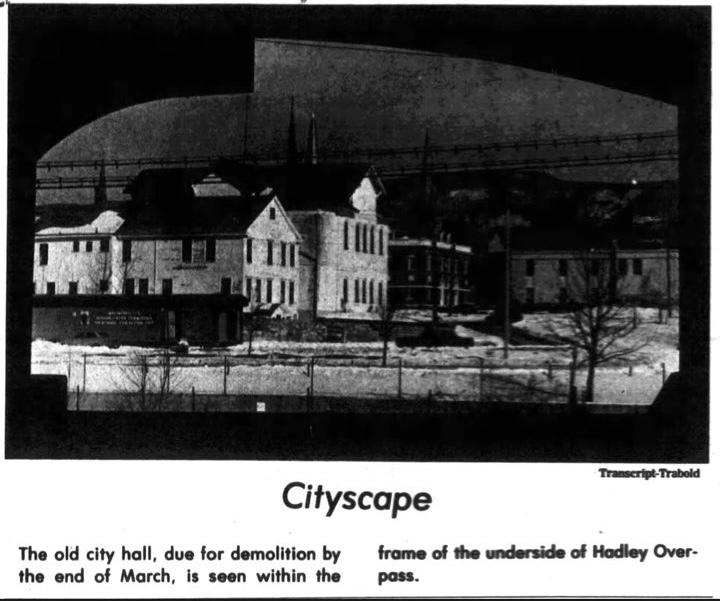
Cityscape.
This image captures the old city hall overshadowed by the Hadley Overpass, symbolizing the replacement of historic community spaces with modern construction. | Source: Courtesy of North Adams Historical Society.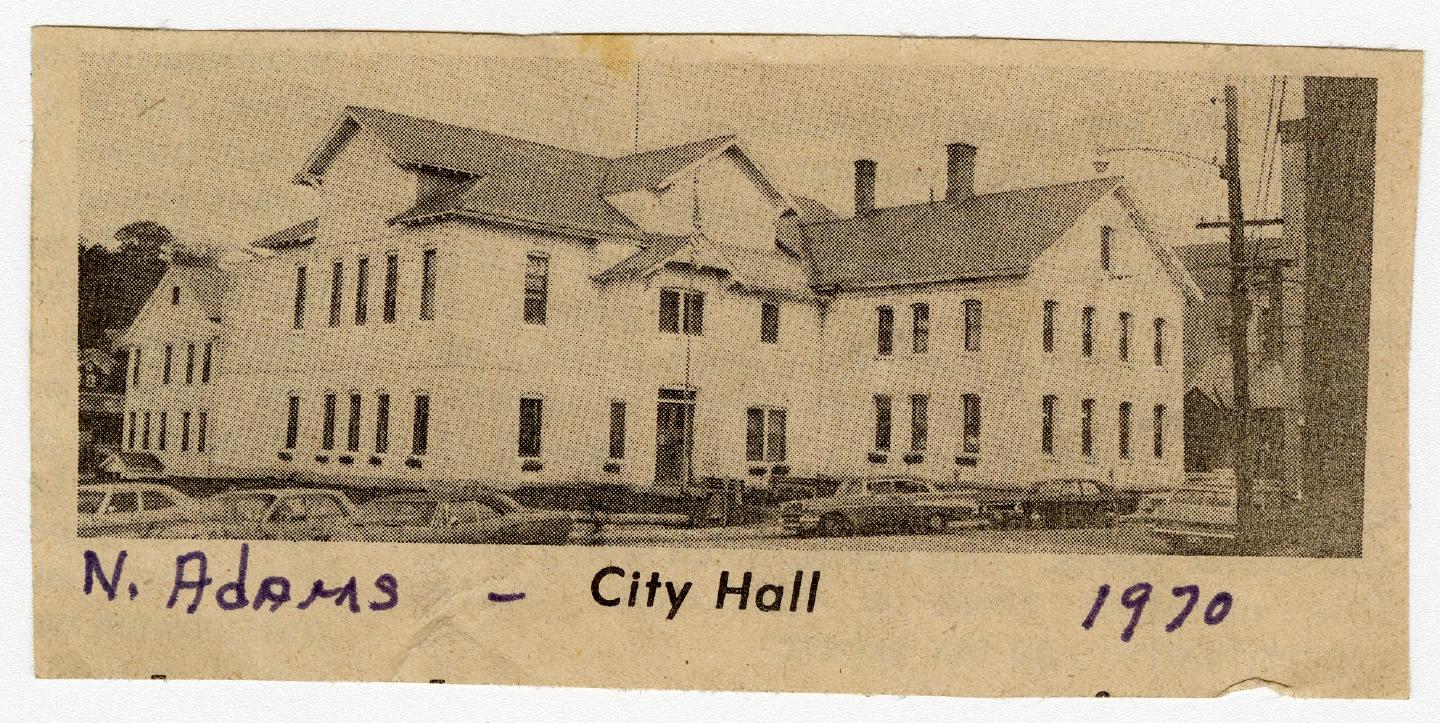
1970 City Hall.
North Adams City Hall, photographed in 1970, captures the building as it stood shortly before its demolition, with parked cars and surrounding structures reflecting the era’s changing city environment | Source: Courtesy of the North Adams Historical Society.
Final meeting at old City Hall for the North Adams City Council.
The final session of the North Adams City Council at the old city hall occurred on June 25, 1974. The final resolution they passed stated, "Be it resolved by the City Council of the City of North Adams in the year 1974, that we leave this place of high purpose, consecrated to continuing to fulfill the dedication of those who have governed here for eight decades with wisdom and compassion." | Source: Courtesy of the North Adams Historical Society.